The secret life of Herbs in Baking
To be honest, I never thought I’d write about this.
Because when I first tried putting basil leaves in lemon cake, or sprinkling rosemary on shortbread, I thought… this is probably one of those weird experimental things you do just for fun. But then I had to say “wait, what?” — because it was way better than I expected 😛
Now every time I step into the kitchen, besides the usual sugar, butter, and flour, I also raid the herb pots on my balcony. Those sprigs of basil, rosemary, and mint… that were supposed to be only for savory dishes, turned out to transform my baked goods into something completely different.
Why herbs, though?
Maybe because I was bored.
Bored with the familiar vanilla. Bored with cinnamon that I always use in apple pie. Bored with the chocolate mint extract that always smells the same. And then one day, coming back from the market, looking at a bunch of fresh basil in the fridge, I thought… why not try it?
The result was that lemon cake with a few minced basil leaves made everyone so surprised they kept asking, “Wait, what did you put in this?” And when I said “basil,” people didn’t even believe me 😀
How do herbs make baked goods different?
Unexpected flavor – in a good way
When you bite into a shortbread with a hint of rosemary, or apple pie with thyme, the first feeling is “hmm, interesting?” But immediately after, it’s “oh wow, this is good!” It’s not just pure sweetness anymore, but has another dimension, something… more sophisticated.
Natural aroma that fills your kitchen
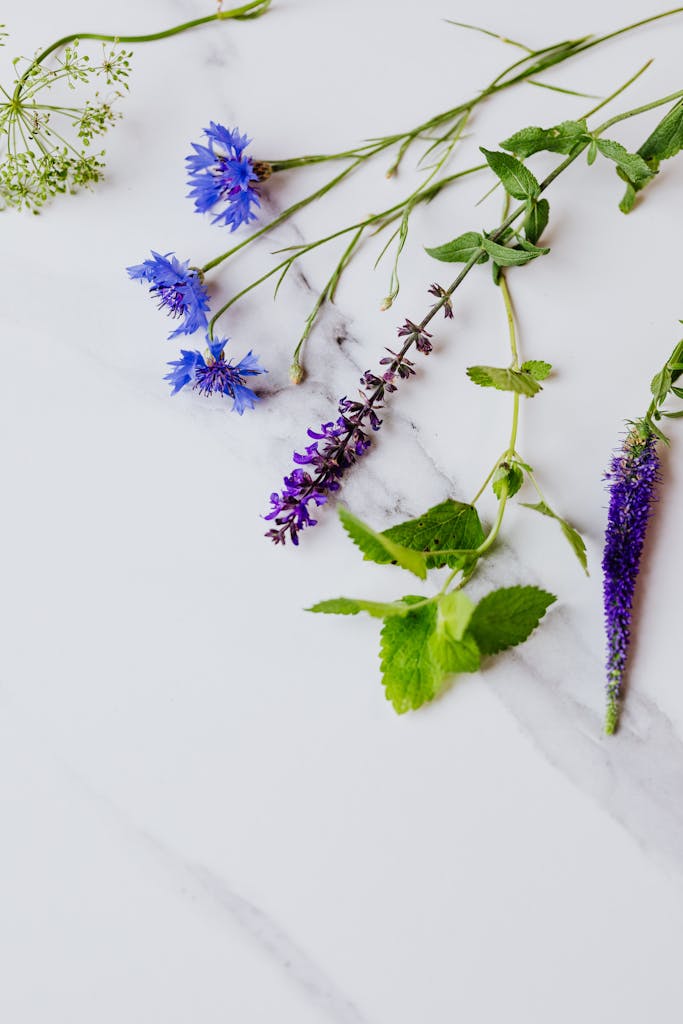
This is what I love most. When you bake cookies with lavender or mint, the smell that comes out isn’t like anything I’ve ever smelled before. It’s not your typical baking smell, but something… lighter, more delicate, like the scent of a spring afternoon in a garden.
Pretty without trying too hard
Really. Just sprinkle some fresh mint leaves on a cake, or press a few lavender buds into cookie dough before baking, and your baked goods already look so much fancier. Great for photos too 😛
A bit healthier (which is nice!)
After all, herbs do have antioxidants and vitamins. I know a few herb leaves in a cake won’t be as nutritious as eating a salad, but hey, it’s better than nothing 🥹
The “best” herbs for baking
Not all herbs work well in desserts, you know. There are some I’ve tried, and the results were… hmm, better not to mention =)) But the ones below have been tested and proven to be “award-winning”:
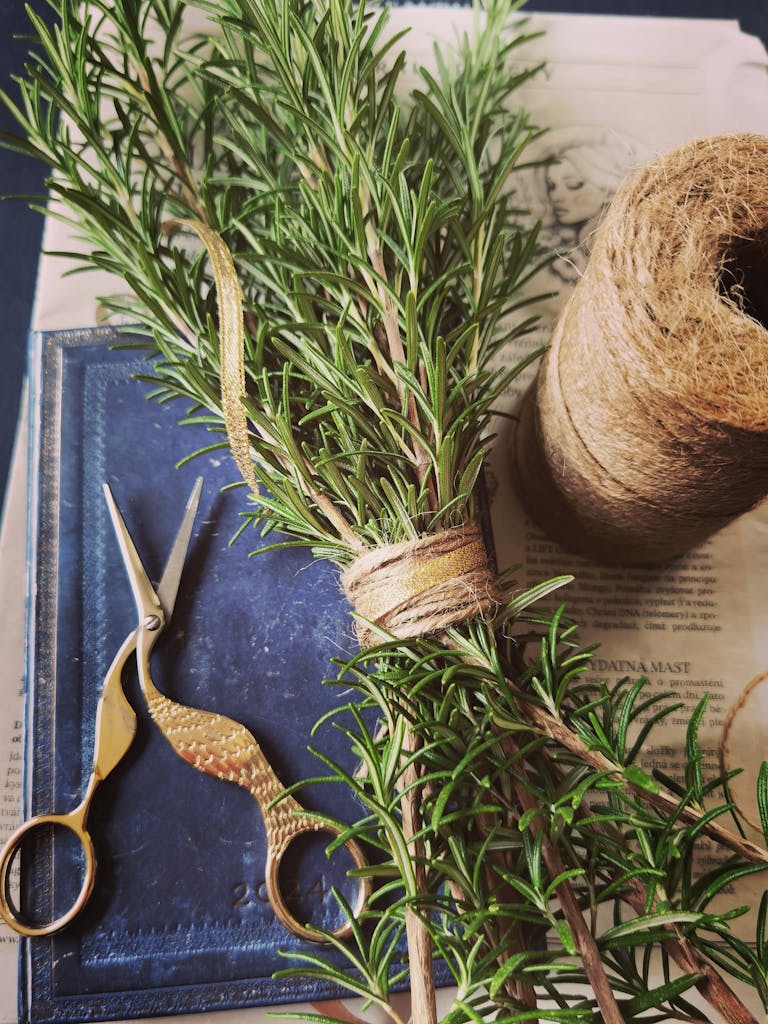
Rosemary – Unexpectedly sophisticated
Flavor profile: Piney, woody, slightly peppery
Goes great with:
- Lemon (lemon cake, shortbread, madeleines)
- Olive oil cake
- Focaccia and savory breads
- Caramel, butterscotch
- Stone fruits like peaches and apricots
Tips from real experience:
Remember to use just a little! Too much rosemary and it becomes overpowering — my first attempt, I added a whole handful, and everyone who ate it made a face 🤪 Mince it really fine, about 1 teaspoon for a basic cake is enough. And remember to use only the leaves, not the stems — that would be a disaster!
Lavender – Sweet floral dreams
Flavor profile: Floral, sweet, kind of… elegant
Goes great with:
- Vanilla
- Shortbread, cookies
- Honey and cream
- Blueberries, blackberries
- Dark chocolate
Tips from real experience:
IMPORTANT: Only use culinary lavender! Don’t buy those dried lavender from flower shops and put them in your baking — they’re not meant for eating. And use LESS than you think — too much and your cake will taste like… soap. I’m serious 😎 Start with 1/2 teaspoon of dried lavender for one batch of cookies, and you’re safe.
Basil – The pleasant surprise
Flavor profile: Slightly sweet, peppery, with hints of anise
Goes great with:
- Strawberries (absolutely amazing!)
- Tomatoes (tomato basil cake is incredible)
- Lemon
- Chocolate
- Peaches, nectarines
- Vanilla ice cream
Tips from real experience:
Fresh basil should be added at the end — don’t bake it too long or it’ll turn dark and bitter. I usually add it to ganache, cream, or make it into syrup. Another trick is to use it in cold desserts like panna cotta or mousse — it looks beautiful and keeps its fresh flavor.
Thyme – Gently refined
Flavor profile: Earthy, subtle, with lemony notes
Goes great with:
- Apples, pears
- Honey
- Figs, stone fruits
- Ricotta, cream cheese
- Brown butter
Tips from real experience:
Lemon thyme is “divine” for baking! The leaves are tiny, so picking them off the stem takes some work, but it’s worth it. Or you can also steep it in syrup or glaze, then strain it out. This works with regular thyme too.
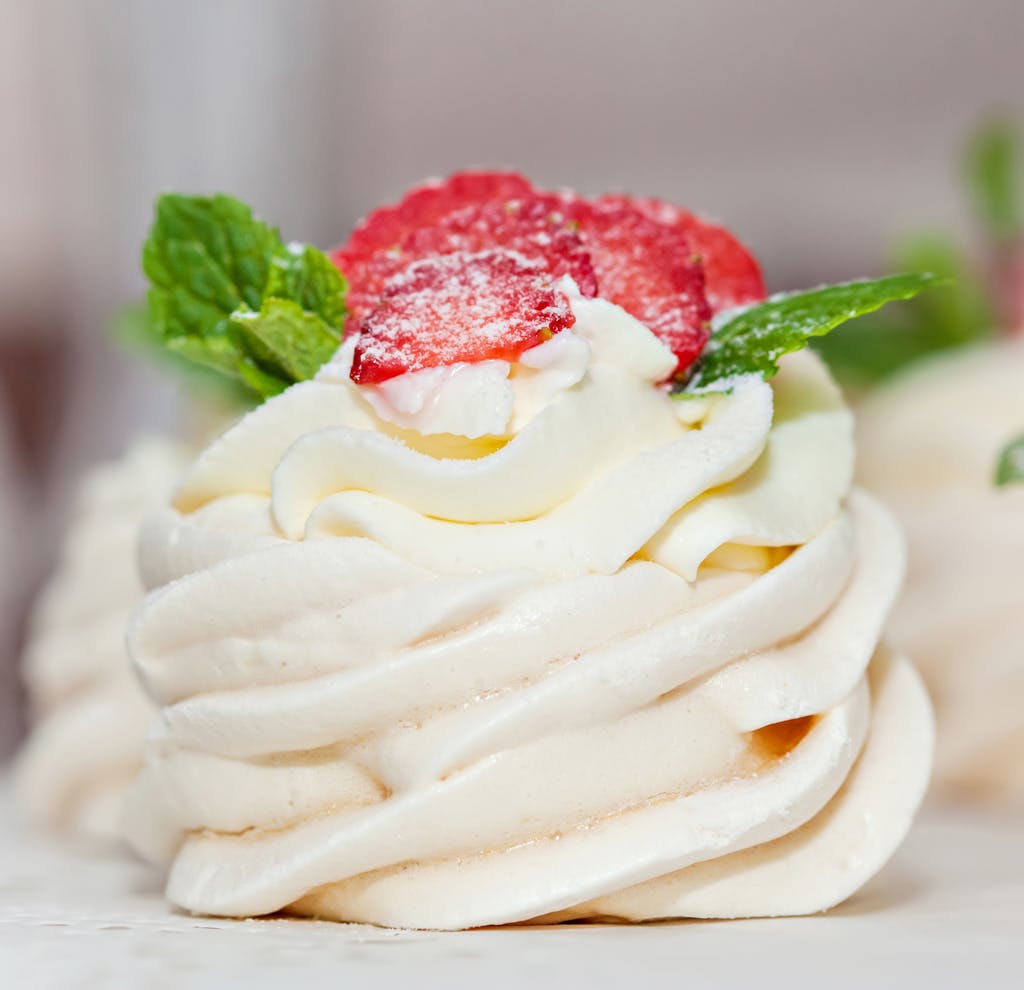
Mint – The classic everyone loves using herbs in baking
Flavor profile: Cool, refreshing
Goes great with:
- Chocolate (the classic!)
- All kinds of berries
- Citrus
- Cream, custards
- Summer fruits
Tips from real experience:
Fresh mint is a hundred times better than mint extract (in my humble opinion). Chop it fine and add to batters, or steep it in cream/milk to make custards and ganache. Oh, and making chocolate mint ice cream with fresh mint leaves in summer is… let’s just call it “perfection”!
Where to start “safely”?
If you’re thinking “sounds great but… I’m scared of ruining my cake,” here are the “lowest risk” ways to experiment:
1. Make herb syrup (simple and effective!)
This is the easiest and “safest” way to start. Boil sugar + water (1:1 ratio) with a handful of fresh herbs (rosemary, thyme, or lavender all work). Once it boils, turn off the heat, leave the herbs in there for about 30 minutes, then strain. Done!
This syrup can be used to:
- Brush on cake layers
- Mix with lemonade
- Drizzle over fresh fruit
- Fold into whipped cream
- Or simply mix with cold water for a refreshing drink
2. Herb butter (so fragrant!)
Soften butter, mix with finely chopped herbs and a pinch of salt. Done! Use it for:
- Shortbread (insanely good!)
- Scones
- Biscuits
- Pie crust
I often make rosemary butter and keep it in the fridge — whenever I want to make cookies, I just grab it. Super convenient.
3. Herb sugar (this is fun!)
Put sugar + herb leaves in a food processor, blend until fine. Sift, then let it dry (or bake in the oven at 80°C for about 10-15 minutes). Use this sugar for:
- Cookies
- Any cake batter
- Sprinkling on baked goods after they come out
- Rimming glasses (like for mojitos)
Recipes to try this week
Lemon rosemary shortbread
Regular shortbread + 2 teaspoons finely chopped rosemary + lemon zest = an “incredibly sophisticated” cookie. Make it for friends, everyone will rave about it. But honestly, it’s just regular shortbread with those few additions :))
Chocolate mint ganache
Heat cream, add a handful of fresh mint leaves, turn off the heat, cover, and let steep for 10 minutes. Strain out the leaves, then pour the cream over the chocolate as usual. This ganache is “next level” when you use it to top brownies or fill cakes.
Lavender cookies
Regular butter cookie recipe + 1/2 teaspoon dried lavender. After mixing the dough, roll it in lavender sugar (sugar mixed with lavender) before baking. The cookies come out smelling like… like lavender flowers, I don’t know how else to describe it 😛
“Hard-earned” experience – learned from failures
Don’t think “more is better.”
This is the mistake I make most often. I keep thinking if I add a bit more, it’ll taste better, but no. Herbs have very strong essential oils — too much will make the cake… hard to eat. The first time, use less than you think, and if you want it stronger next time, add more.
Know when to use fresh vs. dried
General rule: fresh herbs for delicate cakes and cold desserts, dried herbs for long-baked goods. Lavender should be dried because it’s more concentrated and easier to measure.
Remember to remove the stems!
Don’t leave rosemary stems or thick mint stalks in the cake. They won’t soften, and biting into them is… frustrating, I’m telling you. So remove the leaves, chop them finely. It takes a bit more work, but it’s worth it.
Taste as you go
When steeping herbs in cream or making syrup, remember to taste often. Because it can go from “just right” to “too much” very quickly. Don’t let it steep too long and forget about it.
Herb calendar by season (for those who grow them!)
Spring: Mint, lemongrass, perilla
Summer: Basil, lavender, lemon balm
Fall: Rosemary, sage, thyme
Winter: Use dried herbs, or herb sugar/butter made during summer
This weekend’s challenge!
Here’s your mission: this week, when you bake, try replacing one familiar flavor with an herb. Instead of vanilla extract in a pound cake, try rosemary. Instead of cinnamon in apple pie, try thyme. Instead of almond extract in a strawberry tart, try basil.
Then you’ll see that the cake you’ve been making forever suddenly becomes… new and interesting again. Kind of like… rediscovering an old love :))
Tips from professional bakers
- Bruise herb leaves before steeping to release more oils
- “Woody” herbs (rosemary, thyme) work with sturdy baked goods (shortbread, focaccia)
- “Delicate” herbs (basil, mint) save for frostings, creams, or toppings
- Buy culinary grade – don’t buy lavender from flower shops for baking!
- Grow your own – a few small pots on your balcony/windowsill give you free fresh herbs year-round
Frequently asked questions from my friends
“Can I use herbs from my garden?“
Absolutely! As long as you haven’t sprayed pesticides. Remember to wash thoroughly and pat dry before using.
“How do I know if I’m using too much?“
If the herb flavor overpowers everything instead of complementing it, you’ve used too much. The first time, use half of what the recipe says.
“Can I substitute fresh with dried?“
Yes, but remember that dried herbs are about 3 times more concentrated than fresh. So if a recipe calls for 1 tablespoon fresh, only use 1 teaspoon dried.
“Why are my herbs bitter?“
Could be from cooking/baking too long, or steeping too long. Next time, reduce the time.
“Can I make herb cakes for kids’ birthdays?“
Hmm… depends. For kids, I think it’s better to keep cakes traditional. But for adult parties, dinner parties, or brunch — it’s perfect!
A few final words (you know, the conclusion)
Actually, the “secret” of herbs in baking isn’t really a secret at all. It’s just an invitation — an invitation for you to try something new, break the rules a little, and discover that the line between savory and sweet isn’t as clear-cut as we thought.
Those sprigs of rosemary, mint, and lavender in your garden/pots are waiting to shine in the oven. Just try it once — pick up a sprig of basil, smell it, imagine how it would go with strawberries, and… just do it!
And if the first time doesn’t turn out as expected, that’s okay. Because failure is the best way to learn 🙂 (it sounds cheesy, but it’s so true!)
Which herb will you try first? Leave a comment below — I really want to know! And if you make something delicious, remember to share the photo with me — I’ll repost it 🙂
Want to read more about herbs in baking?
Check out these posts:
- “Growing Mini Herbs Indoors for Year-Round Baking”
- “10 Herb + Fruit Pairings You Never Expected”
- “The Science Behind Why Herbs Work in Desserts”
Subscribe for new posts to get baking tips, herb pairing suggestions, and exclusive recipes sent straight to your email every week. Because good bakers never stop learning 😳
P/S: I’m writing this while baking a batch of lemon rosemary shortbread, and I have to say… the smell in my house right now is absolutely incredible 😋 So if you’re craving something after reading this… that was my intention!