Silicone baking mat vs parchment paper: which one should you actually use
For a long time, I grabbed whichever was closest and figured it didn’t really matter.
Both stop things from sticking. Both make cleanup easier. I assumed the choice between a silicone baking mat vs parchment paper was mostly about convenience or personal preference, the way choosing between a wooden spoon and a silicone spatula feels more like habit than decision.
Then I started paying closer attention to what came out of the oven, and I realized they behave quite differently. The choice does matter, and it matters more for some recipes than others.
How parchment paper and silicone baking mat actually behave differently in the oven
Parchment paper is thin and conducts heat relatively quickly from the pan to whatever’s sitting on top. Cookies baked on parchment tend to spread slightly more and brown on the bottom at a similar rate to the top.
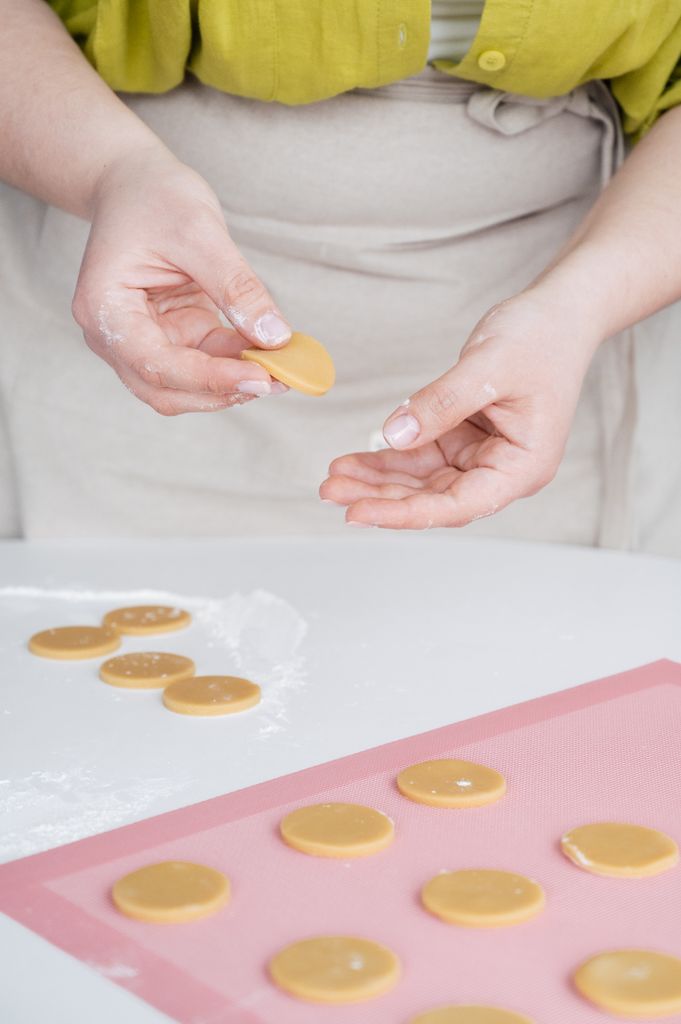
Silicone mats are thicker and create a layer of insulation between the pan and the food. Cookies baked on a silicone mat spread less and stay paler on the bottom, sometimes noticeably so compared to the same cookie baked on parchment.
For cookies where you want a crisp, golden base (shortbread, biscotti, thin chocolate chip cookies), parchment is the better choice. For soft, pale, chewy cookies where you don’t want the bottom to colour much, silicone gives you more control.
This heat difference shows up beyond cookies too. Anything that needs a properly browned bottom, like a fruit tart or a free-form bread, performs better on parchment, especially if you use it on a heavy pan or a preheated baking stone.
Where parchment paper has the edge
Versatility across pan shapes. You can cut parchment to fit any tin — round, loaf, square, irregular. A silicone mat is rectangular and fixed in size. This matters when you’re lining a cake tin or a muffin pan.
The overhang trick. Leaving strips of parchment sticking up over the sides of a square tin so you can lift the whole bake out cleanly is one of those small techniques that makes a real difference for brownies, bars, and dense cakes. Silicone mats can’t do this.
Predictability. Silicone mats vary quite a bit between brands in thickness and heat transfer, which means baking times and results can shift depending on which mat you’re using. Parchment is more consistent across brands. Once you know how your oven and parchment work together, results tend to be repeatable.
High temperature caution. Silicone mats have maximum temperature ratings, typically around 230°C to 260°C (450°F to 500°F) depending on the brand. Pizza doughs and anything that needs a very hot oven are better on parchment.
Maintenance is genuinely zero. Use it, toss it, move on. Silicone mats need to be washed after each use, stored flat or rolled, and kept away from anything dusty or fibrous. Lint, pet hair, and fabric fibers stick to silicone like nothing else. It sounds minor until you’ve pulled a mat out of the drawer and spent five minutes picking things off it before you can bake.
Where silicone baking mats have the edge
Macarons. This is the one place where most experienced bakers still reach for the silicone mat, including people who’ve largely switched to parchment for everything else. The insulation keeps the bottoms from overcooking before the tops are set, and macarons release more cleanly from silicone than from parchment without needing to weight the corners down. For everything else, parchment is competitive. For macarons, silicone is still the easier choice.
Caramel and sugar work. Hot caramel or toffee peels cleanly off a silicone mat. On parchment, very high-temperature sugar can sometimes fuse slightly to the paper, which makes it harder to remove cleanly.
Long-term cost if you bake constantly. A silicone mat rated for 2,000 uses works out cheaper per bake than parchment if you’re baking multiple times a week over several years. For occasional bakers, the math doesn’t really work in the mat’s favour.
A note on silicone baking mat quality
Not all silicone mats are worth buying. Cheaper versions tend to be thinner, stick more, and degrade faster. The Silpat is the original brand and still the benchmark. If you’re going to buy a silicone mat, buy a good one rather than a cheap one that you’ll replace in a year.
One important thing: do not cut silicone mats to size. Many contain fiberglass threads that help them hold their shape, and cutting them releases those fibers. Size your mat to fit your pan before you buy, not after.
For a good rundown of what to look for in baking sheet liners from a professional perspective, Borderlands Bakery has a thorough comparison written by someone who’s been baking commercially for over 15 years.
What I actually use
Parchment for most things: cookies, lining cake tins, anything I want to lift out of a pan cleanly, anything I want to brown on the bottom.
Silicone mat for macarons and caramel. That’s it these days. Let check the best deal on Amazon to try using it.
If you’re choosing between a silicone baking mat vs parchment paper and you only want to buy one: start with parchment. A roll or a pack of pre-cut sheets is inexpensive, takes up almost no space, and works across a wider range of recipes than a mat does. If you later find yourself making macarons regularly, add a mat then.
The heat difference between silicone and parchment shows up most clearly in cookies. If you want to see it in practice, the oatmeal raisin cookies or the butter cookies recipes on this site both have notes on which liner gives better results for that particular bake.