Best baking pans: the 4 that actually earn shelf space
There was a point, a few years back, where I could not open my baking cabinet without something falling out. A heart-shaped pan I don’t remember baking for. A mini bundt set still in its wrap. I finally sat down one Sunday, pulled everything onto the floor, and asked myself which of these I’d actually used that year.
The answer was four pans. Just four. Here is my honest list of the best baking pans I still reach for every week, the ones that earned their spot while the rest went in a donation box.
I’m not talking about a wishlist of pans I think you should own. These are the pans I’ve used so many times the nonstick coating is starting to show wear.
The loaf pan
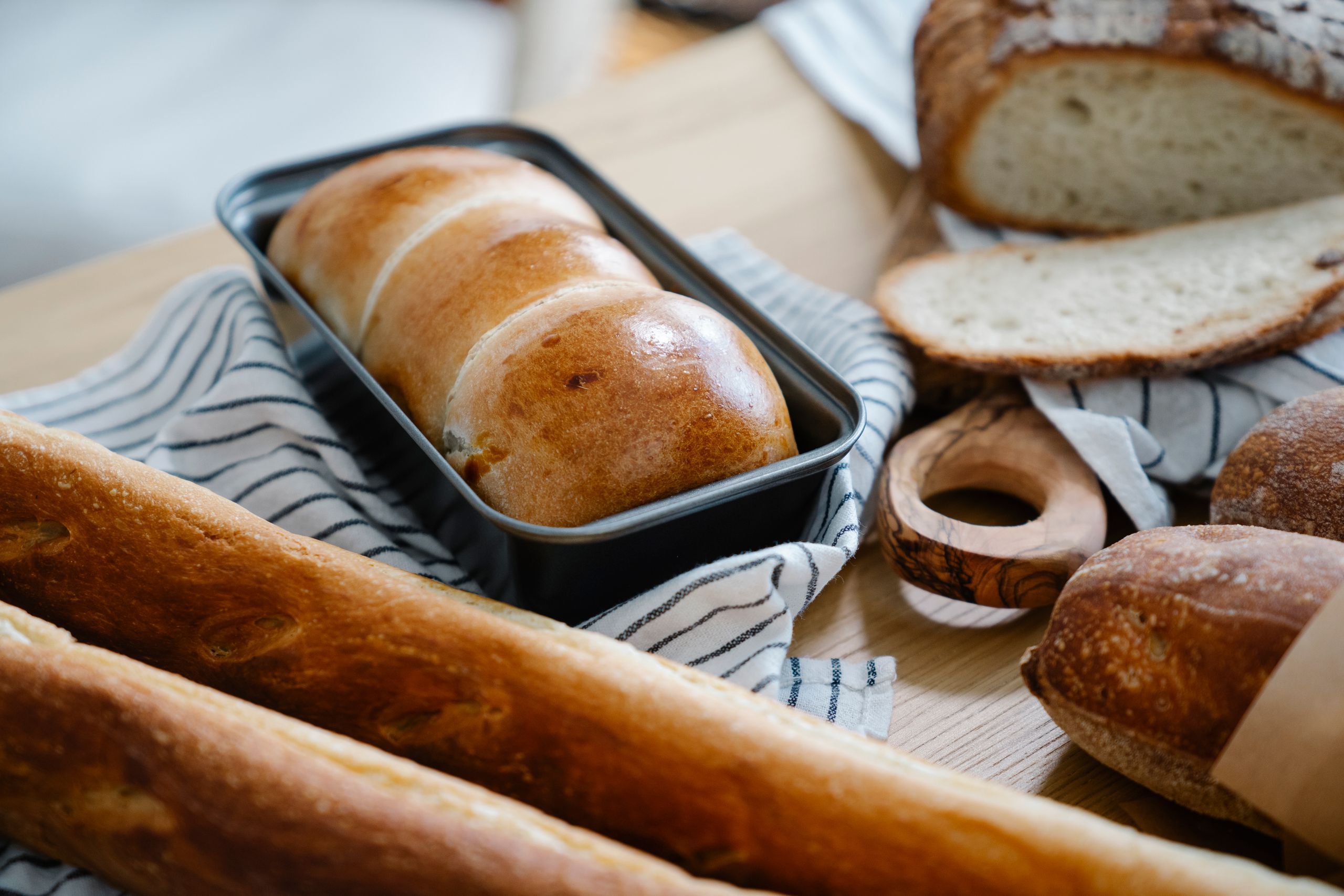
My loaf pan gets more use than anything else I own, and it’s not close. Banana bread, zucchini bread, sandwich loaves, the occasional meatloaf when I’m out of ideas for dinner. I use a 9×5 inch pan in a light-colored, heavy gauge aluminized steel, and the color matters more than people think. Dark pans absorb heat faster and can leave you with a loaf that’s overbrowned on the outside before the center has finished cooking, especially with quick breads that already spend close to an hour in the oven.
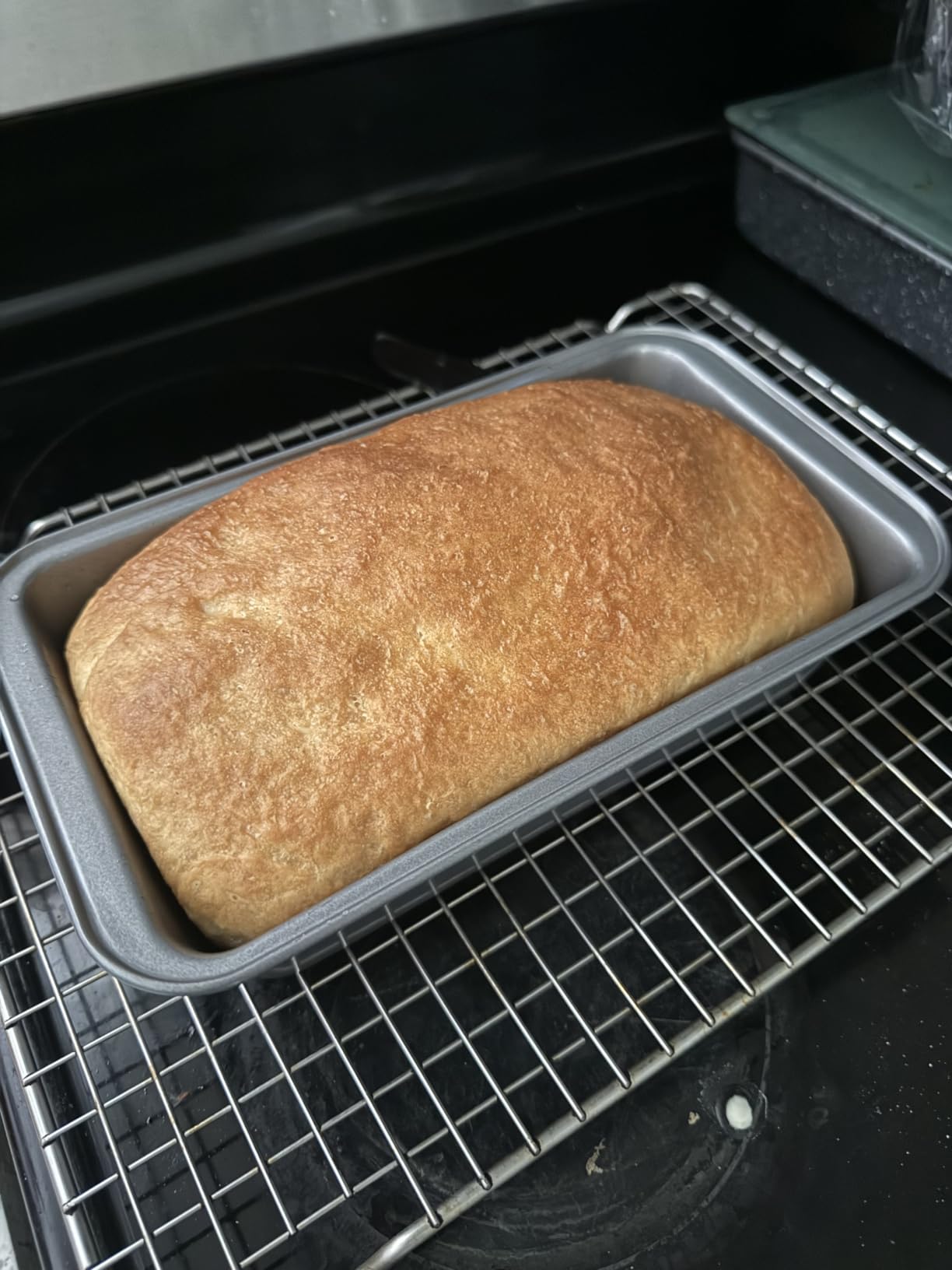
I learned this the hard way with my first loaf pan, a dark nonstick one that came in a set. Every banana bread I made in it had a crust like shoe leather by the time the middle was set. Switching to a lighter pan fixed the problem without me changing a single thing about the recipe, and it’s still the first thing I mention when a friend tells me their banana bread keeps coming out burnt on top.
If you bake bread more than once a month, this is the pan worth spending real money on. Most quick bread recipes are written specifically for a 9×5 inch pan, and swapping in a yeast bread loaf pan of a similar size can leave you with batter overflowing the edges, since the two aren’t quite interchangeable even though they look almost the same on the shelf.
The round cake pan
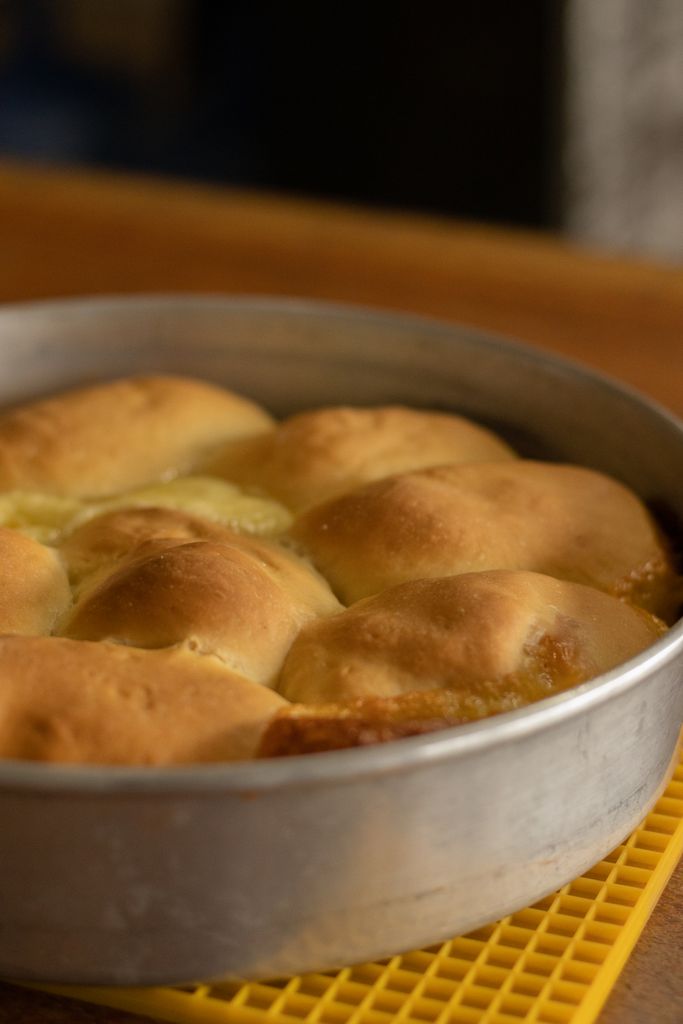
I own two 9-inch round cake pans, both fixed bottom, both aluminum. I used to think I needed a springform for everything, and for cheesecake it still earns its place, but for a basic layer cake a springform is more trouble than it’s worth. The seam can leak batter, and getting an even bake near the edges is harder than with a solid pan.
Two matching pans, same size, same brand, is the detail nobody tells you about until you’ve baked a lopsided layer cake from two pans that heat differently. Buy them as a pair, not one at a time. I learned that lesson with a cake I made for my sister’s birthday, where one layer domed a full inch higher than the other and I had to hide the difference under an embarrassing amount of frosting.
The sheet pan
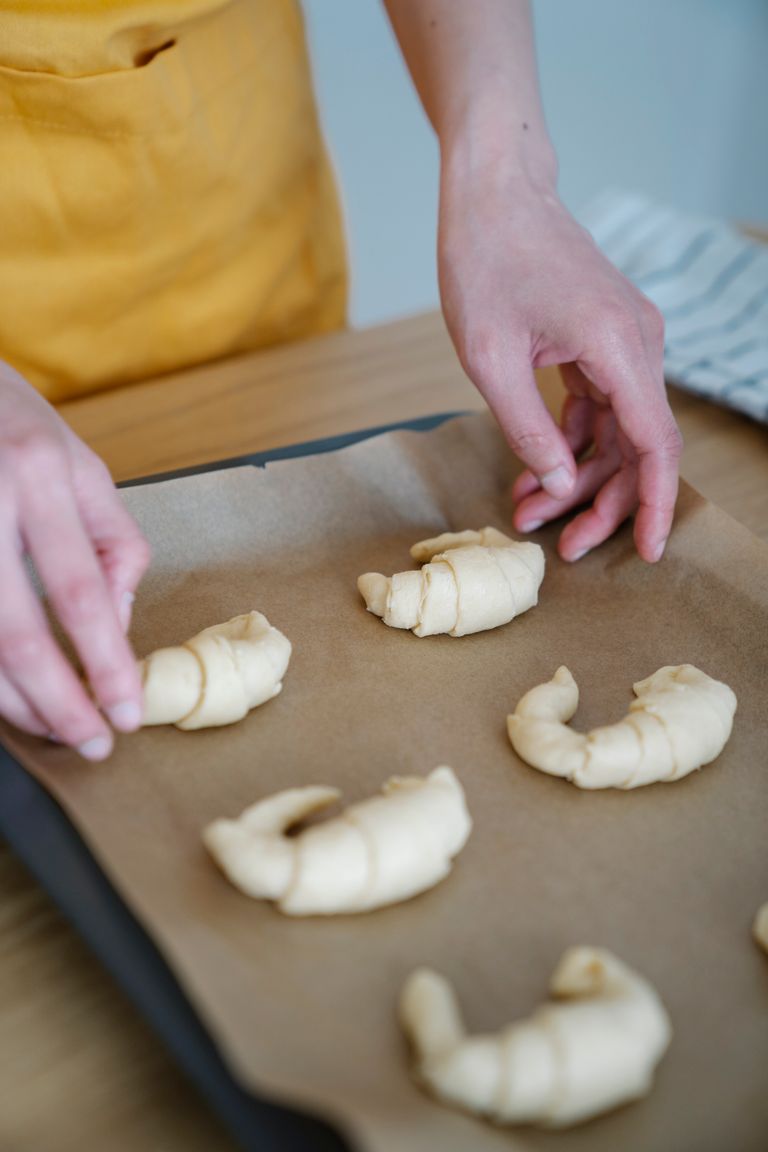
A rimmed sheet pan is the closest thing to a workhorse in my kitchen. I use it for cookies, for roasting the pecans that go into my banana bread, for parchment-lined sheet cake when I don’t feel like dealing with a round pan. The rim matters. An unrimmed cookie sheet looks sleeker, but the second you’re spreading something wet or oily across it, you’ll wish you had an edge to catch it.
I keep two half sheet pans in rotation so I can bake two trays of cookies back to back without waiting on one to cool. If you’re only going to own one size, go with the half sheet. It fits most home ovens without crowding, and it’s the size most cookie and sheet cake recipes are written for anyway.
The muffin tin
This one is personal. My mother had a muffin tin with a dent in one corner from being dropped one too many times, and she never replaced it. She said a dented tin still bakes a round muffin, so why spend the money. I inherited that logic along with an old 12-cup tin of my own, and it’s the pan my kids ask for by name on Saturday mornings. Blueberry muffins, savory cornbread muffins, the occasional batch of mini quiches when we’re out of muffin ideas and I need something for lunchboxes.
A muffin tin earns its space because it does more than muffins. It’s a portion-control tool for anything that bakes better in individual servings, and it’s the pan I hand to my kids when they want to help but aren’t ready for a whole cake.
The pans that didn’t make my best baking pans list
The bundt pan I mentioned earlier came out maybe twice before I gave up on unmolding it cleanly. The heart pan, once. A set of mini loaf pans I bought for holiday gift bread sat in a drawer for two years before I admitted I wasn’t going to bake fifteen tiny loaves in one afternoon. None of these were bad pans. They just weren’t pans that fit how I actually bake, which tends to be smaller batches, more often, on a Tuesday instead of a holiday.
That’s really the test. Not whether a pan looks good in a photo, but whether you’d reach for it on a regular Tuesday when nobody’s watching.
If you’re also rethinking what’s on your baking sheet before it even hits the oven, I wrote about the trade offs between silicone baking mats and parchment paper last post, and it pairs well with whatever sheet pan you end up keeping. My loaf pan is still sitting in the drying rack from this morning’s batch, and I already know it’ll be back in the oven by Thursday.