The best kitchen scale for baking (and why I stopped guessing)
I used to measure flour with a cup and a prayer, but now I stopped guessing and think I finally found my best kitchen scale for banking!!! Congratulation me yay, and here is what I was thinking.
Scoop, level off with a knife, dump it in the bowl. I did this for years and thought my results were pretty good. Then I bought a kitchen scale, weighed my flour for the first time, and discovered I had been adding about 30% too much to every single recipe. The mystery of why my cakes were always a little dense and my cookies a little cakey had a very simple answer: I had no idea how much flour I was actually using.
A kitchen scale is the best kitchen scale for baking improvement you can make, more than a stand mixer, more than a fancy pan. This is the one I’d recommend, and what to look for when you’re choosing.
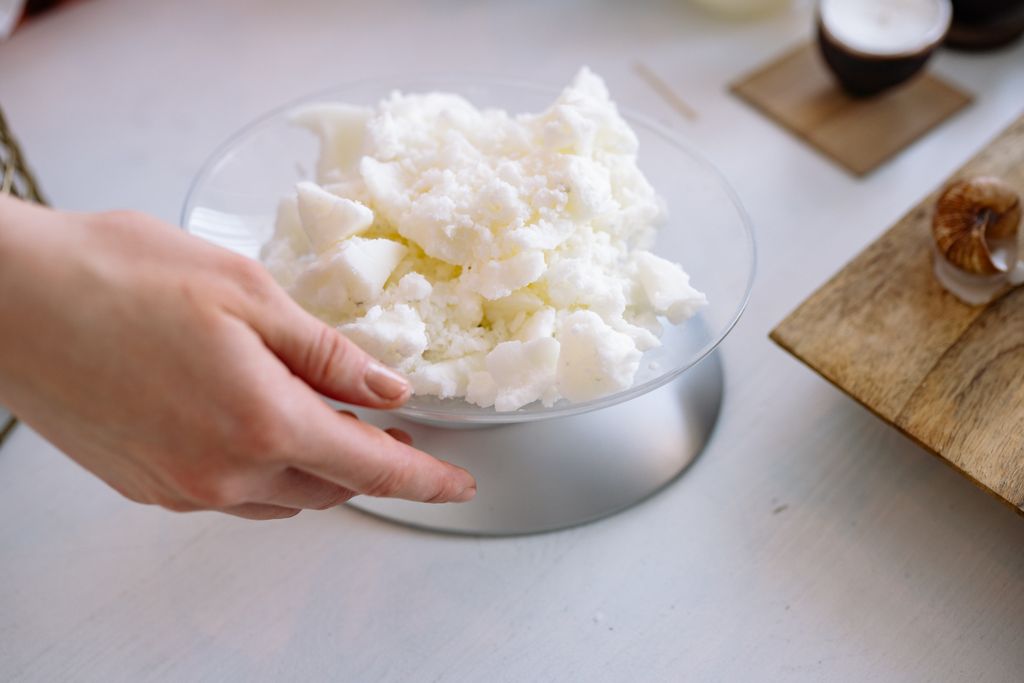
Why baking by weight is more accurate than baking by volume
A cup of flour is not a cup of flour. It depends on how you scooped it, whether the flour has been sitting or was recently stirred, how humid your kitchen is, and whether you’re a gentle scooper or an aggressive one. The difference between a lightly spooned cup and a firmly packed one can be 30 to 40 grams, which in a delicate recipe is enough to change the texture noticeably.
Grams don’t lie. 200g of flour is 200g of flour every single time, regardless of how you measure it. Professional bakers weigh everything for exactly this reason — consistency. When a recipe works, you can replicate it exactly.
King Arthur Baking has a good breakdown of how much flour weight can vary depending on measuring method, and the numbers are genuinely surprising if you’ve never thought about this before.
What to look for the best kitchen scale for baking
Not all scales are built the same, and a few features matter more than others for baking specifically.
Tare function. This lets you reset the scale to zero with a bowl on it, so you can add ingredients one at a time without doing any math. Non-negotiable for everyday baking use. Every scale sold today has this, but worth confirming.
0.1g increments for small amounts. Most baking scales measure in 1g increments, which is fine for flour and sugar. If you bake with yeast or spices a lot, a scale that measures to 0.1g is worth having because small inaccuracies in leavening or salt make a real difference. These scales are slightly more expensive but not dramatically so.
Capacity of at least 3kg. For most home baking this is plenty. If you regularly make large batches of bread dough, go for 5kg.
A wide, flat platform. Sounds obvious, but some scales have narrow platforms that make it awkward to balance a large mixing bowl. Check the dimensions before buying.
Auto-off timer. Annoying when it shuts off mid-recipe. Look for one with a 3 to 5 minute auto-off, or one where you can disable it.
The scales worth buying at each price point
Under $15: The Ozeri Pronto Digital Multifunction Kitchen and Food Scale is the one that comes up consistently in every budget kitchen scale recommendation, and for good reason. It measures in 1g increments up to 5.3kg, has a tare function, and is accurate enough for everyday home baking. It’s not built for 0.1g precision, but for bread, cakes, and cookies it does the job.
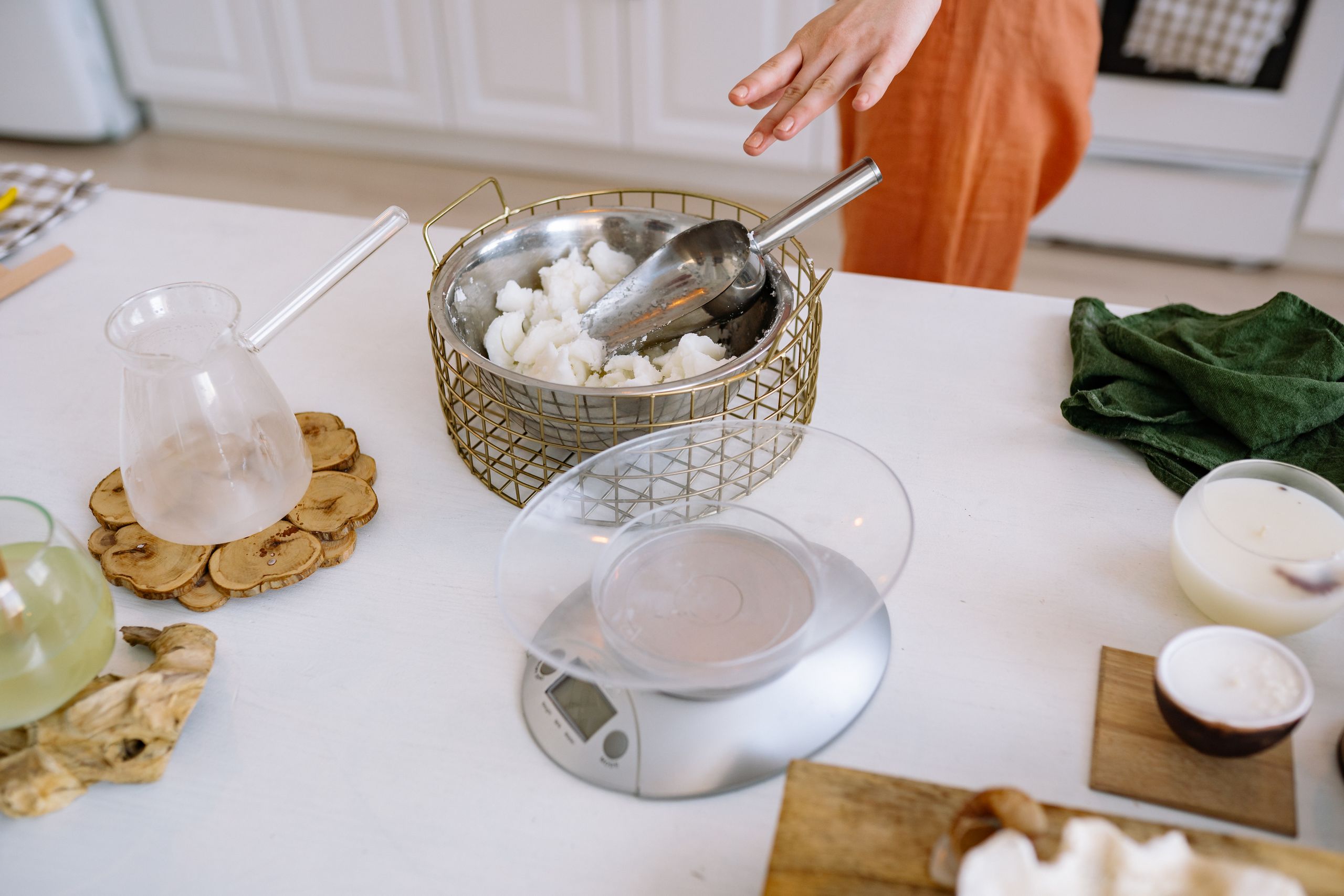
$15 to $30: The Escali Primo is the best kitchen scale for baking at this price point that I’ve found. It’s more solidly built than most budget options, measures in 1g increments up to 11 pounds, and has a clear display that’s easy to read in a busy kitchen. It’s the one I’ve had for three years and it’s never given me a wrong reading.
$30 to $50: If you want 0.1g precision for yeast and spices, the American Weigh Scales LB-3000 gives you that along with a 3kg capacity. Not necessary for most home bakers, but useful if you’re baking bread seriously.
What I actually use
The Escali Primo. Check it here on Amazon!
Three years in, it still works exactly the way it did the day I bought it. I’ve dropped it once, spilled on it more times than I can count, and it has never needed recalibrating or replacing a battery unexpectedly.
The one thing I’d do differently: I’d have bought it sooner. The years of measuring flour by cup were not years of consistent results, and I didn’t realize how much variation I was living with until I started weighing.
A note on cheap vs. expensive
There’s a ceiling on how much you need to spend. A $12 scale and a $60 scale will both weigh your flour accurately. The differences at higher price points are mostly about build quality, platform size, and 0.1g precision. For general home baking, the $15 to $30 range is genuinely the sweet spot. Spend your money on good ingredients instead.
If you’re still measuring by volume and want to understand why weight matters, How to measure flour without a scale (and why it matters) goes into more detail on the technique side.